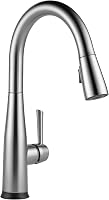
Are Touchless Kitchen Faucets Worth It?
Touchless kitchen faucets are worth it for frequent cooks with messy hands who want easier water control. Choose a standard faucet if you rarely need sensor activation or prefer fewer parts to maintain.
On this page (9 sections)
- Are touchless kitchen faucets worth it for everyday cooking?
- What do you gain, and what do you give up?
- How do you choose controls and power?
- Which touchless faucet suits your kitchen routine?
- What should you measure before buying?
- How should you set up a touchless faucet?
- What care and mistakes matter most?
- What should you do if the sensor stops working?
- So, are touchless kitchen faucets worth it?
Touchless kitchen faucets are worth it for frequent cooks with messy hands who want to start and stop water without smearing the handle. If you rarely cook or prefer fewer parts to maintain, a standard faucet is the better choice.
The useful upgrade is easier control during food prep, not a sink that cleans itself. Before buying, check how the sensor fits your routine, where the power components will go, and whether the faucet fits your sink.
Are touchless kitchen faucets worth it for everyday cooking?
They're worth considering when you'd use the sensor several times during a normal meal. Working with dough, trimming raw ingredients, and rinsing produce all create moments when touching a handle is inconvenient.
Think through your last few meals: did you leave food residue on the handle, keep water running between tasks, or struggle to reach the controls while holding something? Those are practical reasons to choose touchless operation.
If your sink use mainly involves filling glasses and washing a few dishes, the benefit is smaller. A comfortable handle and a well-positioned spout may solve more of your daily needs.
Are touchless kitchen faucets worth it if you have kids?
They can be useful when children can reach and understand the sensor. Show them the activation gesture so they don't keep waving under the wrong part of the faucet.
Touchless activation doesn't make hot water safe. Set an appropriate temperature before helping young children wash their hands, and supervise them around the sink.
What do you gain, and what do you give up?
You gain less contact with the handle, but take on a power source and extra electronic parts. That trade makes sense when the sensor gets regular use.
Fewer dirty touches can mean less food residue to wipe from the controls. You still need to wash your hands and clean the sink, spray head, and faucet surfaces.
A sensor can make stopping water between tasks easier, but it doesn't guarantee lower water use. Leaving water running after activation removes that benefit.
A pull-down sprayer offers a separate advantage: you can bring water closer to a pan or sink corner. Our guide to pull-down, touchless, and commercial-style kitchen faucets explains which features solve which tasks.
How do you choose controls and power?
Choose an activation method your household will use comfortably, then confirm how you'll power it. Touchless means a gesture starts the water; touch activation means contact with the faucet starts it.
Neither replaces every handle adjustment. You'll still need to set temperature and flow, so check that the handle is easy to reach without hitting the backsplash.
Battery power avoids the need for an outlet, but the battery holder must remain accessible. AC power requires a suitable outlet and the correct adapter for the model.
Don't assume a handle guarantees water flow when the electronics lose power. Check the exact model's power-loss procedure before buying, especially if that would affect your decision.
Which touchless faucet suits your kitchen routine?
Choose among these models by control preference, cleanup needs, and kitchen style. All 4 have pull-down sprayers, so the strongest reason to choose one is how its other features serve you.
Moen Arbor: for cooks who want wave control without an outlet
The Arbor suits cooks who want a dedicated wave gesture and a curved, transitional shape. Its single MotionSense Wave sensor starts and stops water, while the included 6 AA batteries let you set it up without a dedicated outlet.
Optional AC power is available, and the Duralock quick-connect system helps with installation. The faucet is 15.5 inches tall, so measure any shelf or cabinet above the sink before ordering.
Choose it for hands-free prep work and the option to start with battery power. Skip it if choosing between touch and touchless modes is a priority; the Essa below offers that choice.
Delta Lenta: for frequent pan and dish cleanup
The Lenta suits cooks who want spray control alongside sensor convenience. It offers touchless, touch, and handle activation, with touchless operation triggered by placing a hand within 4 inches of the faucet surface.
Delta's ShieldSpray combines a concentrated stream with a surrounding shield of water to help contain splatter. That's a useful feature to prioritize if scrubbing food from pans is a bigger chore than wiping the handle.
Its magnetic docking holds the spray wand in place, and the TempSense light indicates water temperature. Skip the Lenta if those cleanup features won't get much use, or if its 16.75-inch height won't fit your space.
Delta Essa: for households that want a choice of activation modes
The Essa suits households where people prefer different controls. You can select Touch2O with Touchless or Touch2O only, and it also offers standard handle operation.
That choice matters if you like sensor control during cooking but prefer touch activation for other routines. It gives you a way to change the setup rather than commit to using touchless mode all the time.
The Essa also has magnetic spray-wand docking and a temperature indicator light. Skip it if your main reason to choose a Delta is the Lenta's ShieldSpray cleanup feature.
Moen Sleek: for modern kitchens with regular rinsing tasks
The Sleek suits cooks who want wave activation in a straight-lined design. Its cylindrical shape and flared base make it a different visual choice from the Arbor's curved, transitional styling.
It includes 6 AA batteries and supports optional AC power. Moen's Reflex system helps the pull-down head retract and dock, while its Power Clean spray is designed for stronger rinsing.
The Spot Resist Stainless finish resists fingerprints and water spots, though routine wiping is still needed. Skip it if your household wants selectable touch-only operation; the Essa is the clearer fit for that preference.
What should you measure before buying?
Measure the sink holes, spout position, handle clearance, and cabinet space before comparing finishes. Touchless features won't make up for a spout that sends water onto the wrong part of the basin.
Check these points:
- Count the mounting holes and measure their spacing.
- Confirm the spout will direct water into a useful part of the sink.
- Allow room for the handle's full movement.
- Check overhead clearance for the faucet.
- Leave space below for the hose, power source, and control components.
All 4 models include a deck plate for compatible 3-hole installations. Both Delta models support 3-hole, 8-inch center layouts; confirm your sink's dimensions rather than assuming every 3-hole sink matches.
Our guide to whether kitchen faucets are all the same size explains why hole count alone isn't enough. Use the broader guide to choosing a kitchen faucet that fits for spout and finish decisions.
How should you set up a touchless faucet?
Plan access and hose movement before tightening everything beneath the sink. Put the power components where the instructions require, with enough access for later maintenance.
Keep the pull-down hose clear of stored bottles, plumbing, and the control box. Pull the wand through its working range and return it to the dock to check for snags.
Follow the model's startup steps, then check all water connections for leaks. Practice the intended sensor gesture and adjust temperature before starting food prep.
If you're changing brands, read whether Moen and Delta faucets are interchangeable before planning around old parts. Our guide to replacing a kitchen faucet covers the wider replacement process.
What care and mistakes matter most?
Keep the sensor clear and the power source accessible. Moving a soap bottle into the sensing area or packing supplies around the hose can create problems that look like faucet faults.
Wipe the finish with a soft cloth using the cleaner allowed in the care instructions. Avoid abrasive pads, and don't spray cleaning liquid directly into electronic connections.
For battery models, follow the specified battery type and replacement steps. Don't leave the holder buried behind supplies until the sensor stops responding.
A common buying mistake is choosing touchless control to solve weak flow, leaks, or awkward reach. Those problems need their own checks; a sensor mainly changes how you start and stop water.
What should you do if the sensor stops working?
Check power, obstructions, and the model's operating procedure first. Confirm that batteries or power connections are secure, then clean and clear the sensing area as directed.
Avoid disconnecting parts at random or forcing connectors. Follow our Moen touchless faucet troubleshooting guide or our Delta touchless faucet troubleshooting guide for brand-specific next steps.
So, are touchless kitchen faucets worth it?
Touchless kitchen faucets are worth it when sensor control removes a daily hassle and you have room to maintain the power components. Choose Arbor for battery-powered wave control, Lenta for spray cleanup, Essa for selectable activation modes, or Sleek for wave control in a modern shape.
Choose a standard faucet if you'll seldom use the sensor or want simpler upkeep. Compare the best touchless kitchen faucets once you've settled your mounting needs and preferred controls.
Frequently asked questions
Are touchless kitchen faucets worth the extra cost?
Touchless kitchen faucets are worth the extra cost when you regularly need water with messy hands. Frequent cooks gain more from sensor control than people who mainly fill a glass or rinse a cup.
Choose a standard faucet if simpler upkeep matters more than hands-free activation.
Do touchless faucets work without electricity?
Touchless activation needs electrical power, but batteries can supply it without a dedicated outlet. Both Moen models here include batteries and support optional AC power.
Before buying any electronic faucet, confirm its power requirements and how its controls behave when power runs out; don't assume the handle bypasses the electronics.
Do touchless kitchen faucets turn on by themselves?
A touchless faucet can start unexpectedly when movement or an object enters its sensing area. Learn the intended gesture, keep stored items away from the sensor, and follow the model's setup instructions.
If activation becomes erratic, check power and sensor cleanliness before assuming an internal part needs replacement.
Are touchless kitchen faucets hard to install?
Installation is manageable when the faucet fits your sink and you can reach the connections beneath it. Electronic models also need space for their power and control components.
Check the mounting instructions before removing the old faucet, and leave the battery holder accessible for future changes.